Blue Wing Olives

When spring rolls into Western Colorado, anglers start watching the skies — not for sunshine, but for clouds. Because when the weather turns moody, the Blue Wing Olives (BWO) begin their quiet takeover. These tiny, olive-bodied insects with slate-gray wings are the unsung heroes of early-season fly fishing. And if you know how to fish them, they’ll turn slow days into banner ones.

What are Blue Wing Olives?

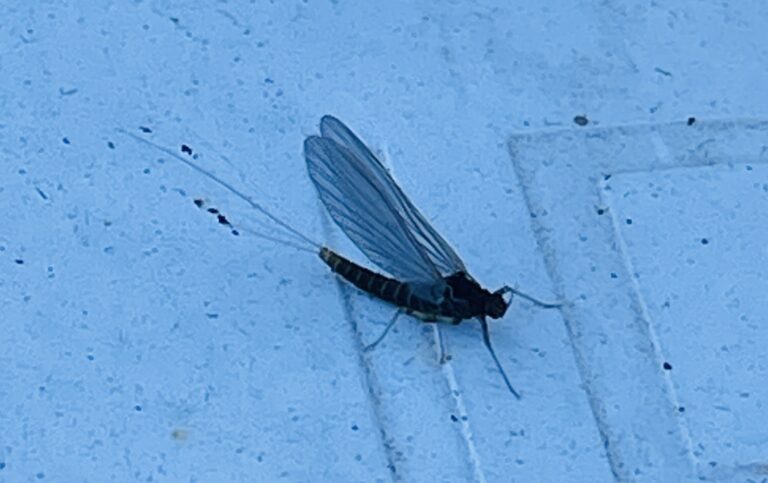
“Blue Wing Olives” aren’t just one species—it’s a nickname anglers use for a whole group of Baetis mayflies. They’re small (size 16–22), slim, and built for fast water. Their bodies range from olive to brownish‑green, and their wings carry that signature smoky‑blue tint that gives them their name.

BWOs thrive in:

  • Cold, clean, oxygen‑rich rivers

  • Overcast or drizzly weather

  • Shoulder seasons when other insects are scarce

On rivers like the Lower Colorado, Roaring Fork,  and Gunnison, BWOs are one of the most reliable food sources trout see all year.

Why are Blue Wing Olives Important?

Unlike flashy summer hatches, BWOs thrive in overcast, drizzly, or even snowy conditions. They’re the first reliable hatch of spring and often the last of fall. On rivers like the Roaring Fork, Lower Colorado, and Gunnison, BWOs are a year-round food source — but spring is when they shine.

After a winter of eating primarily midges, BWOs give trout their first chance to feed on a more substantial meal. Of course, there will still be lots of midges around, but trout are very familiar with BWOs and eat them often. BWOs are a significant food source for trout. 

Blue Wing Olive Lifecycle

Understanding BWOs means understanding how trout feed. These insects move through four stages, and each one creates a different opportunity.

Nymph

The longest stage of their life.

  • Small, agile swimmers

  • Olive‑brown bodies

  • Found in riffles, gravel, and pocket water

The nymphs are available to trout just about all year long, so the fish are accustomed to seeing and feeding on them. When fishing with BWO nymph patterns, you’ll want to opt for a full on bobber rig and fish the slower, deep trenches of the run. Shelf drop-offs near the bank can also produce for these bugs. 

Typically, when fish are feeding on the BWO nymphs, they’re still close to their winter holding patterns. You’ll want to fish very close to the bottom and get there quickly with some splitshot. You’ll know that the fish are likely eating nymphs if you get to the river and don’t see any bugs on the water’s surface. 

Fly Patterns: Two-Bit Hooker, Pheasant Tail, Juju Baetis, small perdigons in olive, grey, and brown.  

Emerger

This is the danger zone for the insect—and the buffet line for trout.

  • Nymphs rise toward the surface

  • They pause in the film before breaking through

  • Trout often feed just under the surface

In my experience, I often have the best luck when fish are feeding on emergers. They’re keying in on the bugs as they rise to the surface to spread their wings and fly. Often, you’ll see fish near the surface when they’re eating these emergers.

You might mistake that for fish that are eating the adult BWO. If you see fish rising but they ignore your dry fly, they’re likely eating emergers just under the surface film. That’s the perfect time to throw on an emerger pattern below your dry fly.  

Fly Patterns: RS2, Barr’s Emerger, CDC Emerger, Sparkle Dun, 

Dun (Dry Fly)

The quintessential stage of the BWO.

  • Newly emerged adults float briefly

  • Wings upright, bodies slim

  • Vulnerable in slow seams and foam lines

These bugs will stay on the surface until their wings dry out and then they’re able to fly away. This leaves them vulnerable to feeding trout. Most often you’ll see the adult BWOs in softer current so be sure to have a drag-free drift and good timing for targeting rising fish. 

Fly Fishing the Colorado River

How to Catch Fish on Blue Wing Olives?

A Blue Wing Olive hatch rewards anglers who slow down, read the water, and match the rhythm of the insects. During a BWO emergence, trout often slide into softer seams—inside bends, tailouts, and the cushions behind mid‑river structure—where they can feed efficiently without burning energy.

The key is presenting something small and believable. Early in the hatch, when nymphs are rising through the column, a slim, dark BWO nymph or emerger drifted just off the bottom will out‑fish almost anything. As duns begin to pop, trout shift their attention upward, and that’s when a low‑riding dry—something with a sparse profile and a natural footprint—becomes deadly.

At times, you may notice that there are a lot of BWOs on the surface but no trout are eating them. This happens often, especially on clear, blue-bird days. That doesn’t mean fish aren’t eating them; all it means is that they are focused on the bugs subsurface. When this happens, your best bet is to fish nymphs on either a dry-dropper or nymph rig. 

LTF Guides

Success comes from staying in tune with the pace of the hatch. BWOs often emerge in waves, especially on overcast days, so be ready to switch between nymphs, emergers, and dries as the fish adjust.

Keep your drifts drag‑free, shorten your casts, and focus on micro‑currents; BWOs are tiny, and trout won’t move far to eat them. When you find that perfect combination of fly, drift, and timing, the hatch transforms from a puzzle into one of the most reliable opportunities of the spring.

If you want to build confidence fishing BWOs this spring, a guided day can shorten the learning curve. We’ve got March availability so contact us and get your trip booked today

More Resources for Fishing the Colorado River

Categories: Fly Fishing

0 Comments

Leave a Reply

Avatar placeholder

Your email address will not be published. Required fields are marked *